


How is Impregnated Activated Carbon Produced?
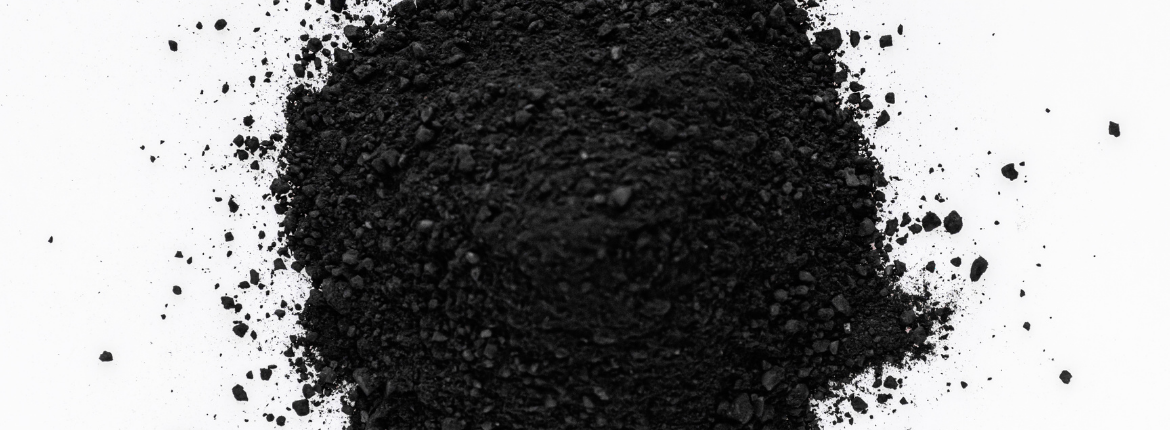
Impregnated activated carbon is a special form of activated carbon that has been impregnated with certain chemicals or substances to adsorb certain pollutants more effectively. Here is a step-by-step description of how impregnated activated carbon is produced:
Selecting the raw material: the first step is to select a suitable activated carbon raw material. This can be a variety of materials such as coconut shells, wood, peat or charcoal.
Selection of the impregnation material: The impregnation material to be used is selected in order to determine the properties of the impregnated activated carbon. This can vary depending on the desired adsorption capacity, chemical resistance or specific impurities.
Preparation of the impregnation solution: The impregnation material is dissolved or suspended in a suitable solution. This solution must be compatible with the impregnating agent and the activated carbon.
Impregnation process: The activated carbon material is dipped or impregnated into the prepared impregnation solution. In this step, the impregnating agent penetrates the surface of the activated carbon.
- Pre-treatment: Before impregnation, the activated carbon material is cleaned, dried or, if necessary, activated.
- Immersion or wetting: The activated carbon material is placed in the impregnation solution and it is ensured that it is completely immersed or wetted.
- Impregnation time: The material is kept in the impregnation solution for a certain period of time. This time varies depending on the impregnating agent, carbon material and desired degree of impregnation.
- Drying and curing: After the impregnation process, the material is removed and left to dry. If necessary, additional curing or heat treatment can be carried out.
WHAT IS IODINE-IMPREGNATED ACTIVATED CARBON?
Iodine-impregnated activated carbon is a material capable of adsorbing various pollutants, including hydrogen sulfide (H2S), from exhaust air, particularly in biogas, wastewater and landfill gas.
WHERE IS ACTIVATED CARBON IMPREGNATED WITH SILVER USED?
Silver-impregnated activated carbon is used in a number of applications due to its antimicrobial properties:
- Water treatment: It helps disinfect water by preventing the growth of bacteria, viruses, and other microorganisms.
- Air filtration: Used for clean air in sensitive environments, especially healthcare facilities, laboratories and other sterile environments.
- Odour control: Used in air purifiers and filters to remove unpleasant odours from organic sources.
- Medical applications: It can reduce the risk of infection by being used in applications such as wound dressings, bandages, medical masks and respirators.
- Food and beverage industry: It can be used in water treatment to control microorganisms in beverage and food production.
HOW DO YOU REMOVE NITROGEN FROM FLUE GAS?
Activated carbon impregnated with carbon pellets is preferred for NOX removal. Activated carbon impregnated with potassium hydroxide (KOH) is used to remove nitrogen oxides (NOx) from flue gas by a process known as selective catalytic reduction (SCR).
DOES ACTIVATED CARBON REMOVE AMMONIA?
Ammonia (NH3) can be removed using activated carbon impregnated with phosphoric acid. In this impregnation process, the ammonia is adsorbed and reacts chemically.